Difference Between CV and a Resume
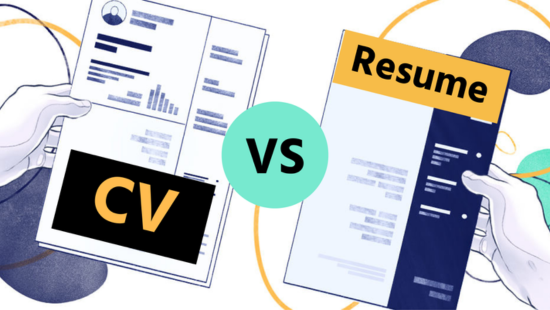
What is a CV (Curriculum Vitae)?
A Curriculum Vitae, often abbreviated as CV, is a Latin term meaning "course of life." It is a detailed document that provides an extensive overview of your academic and professional achievements. The purpose of a CV is to present a full record of your career and qualifications.
A CV typically includes:
- Personal Information: Your name, contact details, and other identifying information.
- Education: All your academic qualifications and relevant courses.
- Work Experience: This section focuses on positions related to research, teaching, or academia.
- Research and Publications: Any academic papers, articles, books, or research you’ve published.
- Awards and Honors: Scholarships, fellowships, and any recognition you have received.
CVs can range from 2 to several pages, as they aim to provide a complete picture of your career journey. They are typically used for academic, medical, and research-oriented roles.
What is a Resume?
A resume comes from the French word meaning "summary." Unlike a CV, which is comprehensive, a resume is a brief summary of your skills, experiences, and qualifications tailored for a specific job. It is designed to highlight the most relevant details of your career in a concise and clear format.
A resume typically includes:
- Contact Information: Name, email, phone number, and LinkedIn profile.
- Professional Summary/Objective: A short statement that summarizes your career goals or strengths.
- Work Experience: A list of your previous jobs with a focus on achievements.
- Skills: Key abilities relevant to the job you’re applying for (e.g., technical skills, communication).
- Education: Your academic background, usually including degree(s) and relevant coursework.
A resume is typically one or two pages long and is customized for each job to emphasize your relevant qualifications. It is used primarily in corporate, private sector, and non-academic roles.
Key Differences Between a CV and a Resume
Now that we understand the meanings of both terms, let’s explore their key differences:
1. Length and Detail
- CV: A CV is detailed and lengthy, often covering an entire career in multiple pages.
- Resume: A resume is brief and concise, usually one or two pages long, focusing only on the most relevant information for the job.
2. Purpose
- CV: The purpose of a CV is to provide a complete and thorough record of your professional history, often used in academia, research, or higher education.
- Resume: The purpose of a resume is to highlight your qualifications for a specific role, showcasing the skills and experiences most relevant to the job.
4. Content Focus
- CV: Includes all aspects of your career, including detailed academic achievements, publications, research, and professional experience.
- Resume: Focuses on specific skills and relevant work experience tailored to the job you are applying for.
6. Updates and Customization
- CV: Since it includes everything you've done in your career, it changes slowly and is updated when new achievements (like publications or new academic degrees) occur.
- Resume: A resume should be tailored for each job, emphasizing the most relevant skills and experiences based on the job description.
Which One Should You Use?
- For Academic and Research Jobs: If you're applying for a role in higher education, research, or academia, you'll most likely need a CV.
- For Private Sector Jobs: For roles in industries such as business, technology, healthcare (non-research positions), or marketing, a resume is generally preferred.
- For International Applications: When applying in countries like the UK or Europe, use a CV, while in the U.S. and Canada, you will likely be asked for a resume.